
The food delivery industry in India is still growing fast in 2026. Apps like Swiggy and Zomato continue to expand into smaller cities, improve delivery speed, and add AI-powered features to improve customer experience. Reports show that affordability, faster deliveries, and personalized experiences are driving the next phase of growth in food delivery.
If I were planning to build a food delivery app today, I wouldn’t focus only on copying existing apps. I’d focus on solving real customer problems faster and better.
Why Food Delivery Apps Are Still Growing in 2026
Food ordering has become part of everyday life. Users expect:
Real-time order tracking
Fast delivery
Multiple payment options
Personalized recommendations
Loyalty rewards
AI-based customer support
Many users are also frustrated with high delivery charges and poor customer support on existing platforms. Discussions across startup communities show there’s still room for niche food delivery apps that focus on local restaurants, healthier meals, or better pricing.
That creates opportunities for startups and businesses entering this market.
Key Features Needed in a Food Delivery App
1: Customer App Features
This is the main app users interact with daily. I’d include:
Easy signup and login
Smart restaurant search
Menu browsing
Cart and checkout
Live order tracking
Multiple payment gateways
Ratings and reviews
Push notifications
AI-based food recommendations
Personalized suggestions based on previous orders can improve user retention significantly.
2: Delivery Partner App
Your delivery executives need their own dedicated app.
Important features include:
Order alerts
GPS navigation
Earnings dashboard
Delivery status updates
Route optimization
In-app chat or calling
Fast delivery is now one of the biggest competitive advantages in the market.
3: Restaurant Panel
Restaurants should be able to:
Manage menus
Update pricing
Accept or reject orders
Track earnings
View customer feedback
Run promotions and discounts
A simple dashboard saves time and reduces operational mistakes.
Technology Stack for Food Delivery App Development
For frontend development, I’d use Flutter or React Native to build apps for both Android and iOS. For the backend, Node.js or Python works well for handling orders and real-time tracking. PostgreSQL or MongoDB can be used for database management. Google Maps API helps with live location tracking, while Razorpay or Stripe supports secure online payments. For hosting and scalability, AWS or Google Cloud are reliable choices, and Firebase is useful for push notifications and analytics.
Also Read: Best Tech Stack for Mobile App Development — A Complete Guide
AI Features That Matter in 2026
AI is no longer optional in delivery apps.
Here are the features I’d prioritize:
AI-based restaurant recommendations
Dynamic delivery pricing
Chatbots for customer support
Predictive delivery time estimation
Smart order batching
Voice search for food ordering
Many new startups are already experimenting with AI-driven ordering experiences and price comparison systems.
Cost to Build a Food Delivery App Like Swiggy
The cost depends on features, app complexity, and team size.
Estimated Development Cost
Basic MVP: $15,000–$30,000
Mid-level app: $40,000–$70,000
Advanced platform with AI features: $100,000+
If I were starting fresh, I’d launch with an MVP first instead of building every feature at once.
Biggest Challenges in Food Delivery App Development
This industry looks simple from the outside, but scaling is difficult.
The biggest challenges include:
Managing delivery logistics
Customer acquisition costs
Restaurant onboarding
Handling cancellations and refunds
Maintaining delivery speed
Balancing commissions and profitability
Many startups fail because they try competing directly with large platforms without a unique value proposition.
How to Make Your Food Delivery App Stand Out
Instead of building “another Swiggy,” I’d focus on:
Hyperlocal food delivery
Subscription meal plans
Cloud kitchen integration
Healthy food delivery
Corporate lunch delivery
Lower commission models for restaurants
Users are actively looking for better pricing, faster support, and more reliable delivery experiences.
Conclusion
Building a food delivery app like Swiggy or Zomato in 2026 requires more than good UI design. Success depends on logistics, customer retention, delivery efficiency, and smart technology integration.
If I were launching a food delivery startup today, I’d start with a focused niche, build an MVP quickly, and improve based on real customer feedback.
Working with an experienced Food Delivery App Development Company can also reduce development risks and speed up the launch process. Companies like Mobulous Technologies are helping startups and enterprises build scalable mobile applications with modern features tailored for the evolving food delivery market.
Also Read:
Flutter vs React Native: Which Should Your App Development Company Recommend?
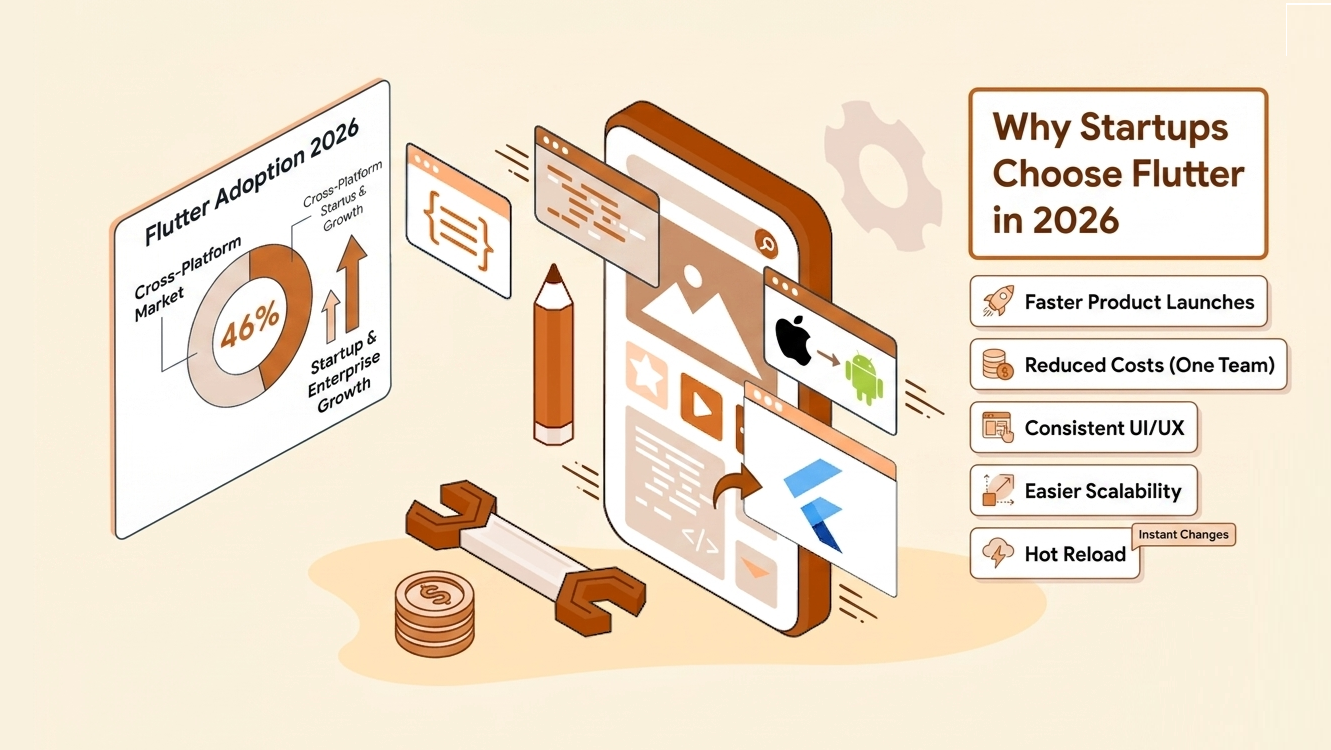
Why Startups Are Choosing Flutter in 2026
Cross-Platform Magic: Benefits of Hiring a React Native App Development Company

Write a comment ...